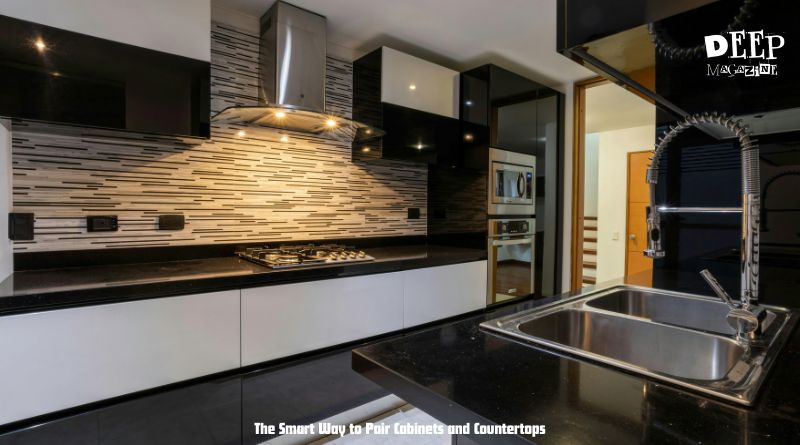
Choosing cabinets and countertops can feel like two separate decisions until you see how quickly one choice forces the next. A cabinet color can make a countertop look brighter or duller. A bold countertop pattern can make cabinet details feel busy. And lighting can quietly change everything once materials move from a sample to a full room. The good news is you do not need perfect taste to get it right. You just need a smart order of operations and a few simple rules that keep your choices looking intentional, balanced, and easy to live with, especially if you want a reliable reference point from Northeast Kitchen Remodel & Design Build in Rhode Island.
Most “almost great” kitchens and baths happen when people fall in love with one finish at a time, then try to force everything into harmony later. That is when you get subtle clashes: a cabinet that feels warm next to a countertop that reads icy, or a pattern that looks beautiful alone but becomes chaotic once it meets flooring and backsplash. A better approach is to build a pairing on purpose, so each surface supports the next instead of competing.
It also helps to see finishes in context because a photo rarely shows undertones, texture, or sheen accurately. Even two whites can look completely different once you place them side by side, and that difference becomes obvious under real lighting. If you want to sharpen your eye and compare materials more confidently, spending time around a curated mix of samples can help, like an exclusive kitchen and bathroom showroom in NYC.
Choose the Lead Element First
The fastest way to make cabinet and countertop decisions easier is to pick a “hero” and let everything else play support. This prevents the common mistake of choosing two statement pieces that fight for attention.
When cabinets are the hero
Cabinets take up the most visual space, so they can carry the personality of the room. If you want the space to feel warm and grounded, a natural wood tone or a softer painted shade can do that heavy lifting. If you want crisp and modern, a cleaner paint finish with simple door lines can set the tone instantly.
Once the cabinets lead the design, your countertop job is to reinforce that mood. That does not mean the countertop has to be boring. It just means the countertop should add depth without stealing the spotlight. In practice, that often looks like a calmer pattern, a more subtle texture, or a color that feels clearly connected to the cabinet tone.
When countertops are the hero
If you love a dramatic surface, it makes sense to choose the countertop first. Countertops can create that immediate “wow” because they catch light and occupy a central plane of the room. When the counter is the statement, cabinets become the frame.
The smartest move here is restraint. A bold countertop works best when cabinet color and door style stay relatively quiet. Simple cabinet fronts and a controlled color palette keep the countertop feeling like a deliberate choice instead of visual noise.
Match Undertones Before You Match Colors
Color names can be misleading because the real secret is undertone. This is the temperature hiding inside a material, either warm, cool, or neutral. Getting undertones right is what makes a pairing look naturally cohesive, even if the materials are different.
A quick undertone test that actually works
Bring samples together and place them against a clean white background, like a sheet of paper. Watch what happens. A “white” cabinet might suddenly look creamy. Another might look slightly blue or gray. Countertop samples do the same thing. One may read beige and soft, another bright and icy.
When warm meets warm, the room feels inviting. When cool meets cool, the room feels crisp. Mixing warm and cool can work, but it usually needs a bridge, like flooring, wall color, or hardware that ties the temperatures together.
The neutral option that keeps things flexible
If undertones stress you out, lean into neutrals that do not swing hard in either direction. Balanced off whites, true greiges, and soft stone looks with mixed coloration tend to pair well with more cabinet choices. Neutrals also give you freedom later if you repaint or change decor.
Control Pattern and Shine Like a Volume Dial
Even perfect undertones can look wrong if every surface is loud. Pattern, texture, and shine all compete for attention. Think of them as volume controls. You can turn one up, but then you should turn others down.
One “busy” surface is usually enough
A strongly patterned countertop plus heavy cabinet grain plus a detailed backsplash is where rooms start to feel restless. A better rule is to pick one place for movement. If your countertop has strong veining or visual motion, keep cabinet fronts simpler. If your cabinets have dramatic grain or ornate door detailing, keep the countertop calmer.
Sheen matters more than people expect
A glossy countertop next to glossy cabinets can feel harsh under bright lighting. Two extremely matte finishes can feel flat and dusty in appearance. A gentle contrast often looks best, like one surface that softly reflects light and another that stays more subdued. This adds depth without making the room feel overly shiny.
Design for How You Live, Not Just How It Looks
Beautiful pairings fail when they do not match real life. Function is not separate from style. It is what makes the style last.
Be honest about your daily wear and tear
Think about the most common annoyances in your space. Do you fight fingerprints on cabinet fronts? Water spots near the sink? Small scratches in high-use areas? Frequent wiping and cleaning? Your answers should guide your finishes.
Some surfaces hide life better than others. Soft patterns can disguise crumbs and minor marks. Mid-tone finishes can be forgiving. Super dark or super glossy finishes can look incredible, but they may show every smudge. There is no wrong choice as long as it matches your tolerance for maintenance.
Edge profiles and transitions affect the whole vibe
The countertop edge you choose is not just a detail. It changes how modern or traditional the room feels. Thicker edges can feel classic and substantial. Slimmer profiles feel contemporary and light. The way the countertop meets the cabinets, the backsplash, and the hardware creates a “flow” that your eye reads instantly, even if you cannot name why.
Test Pairings Under Real Lighting Before You Commit
You can do everything right and still be surprised by lightning. That is why testing matters. It reduces regret and makes your final choice feel confident.
Build a short list you can actually evaluate
Pick two or three cabinet and countertop combinations and stick to them. Too many options create decision fatigue and make everything look wrong. Keep your finalists visible for a few days, if possible, and look at them at different times.
A useful mental check is to ask yourself whether the pairing still feels good when you imagine the room in normal, messy life. If it only looks good in a perfect, staged moment, it might not be the right match.
A quick final checklist
If you want a simple way to pressure test your decision, ask these questions:
- Does the pairing feel calm or visually restless?
- Does it look consistent in both daylight and evening light?
- Does it still work when you imagine the floor, wall color, and hardware nearby?
- Does the countertop pattern complement the cabinet style, not compete with it?
If you keep answering “yes,” that is a strong signal that you are close.
Common Pairing Mistakes That Cause Instant Regret
Most pairing mistakes come from the same few traps. Knowing them in advance saves time and money, and it also protects you from second-guessing halfway through the project.
A big one is choosing everything in the same middle range, where nothing has contrast, and the room feels muddy. Another is stacking competing textures and patterns until the space feels busy. The third is leaving key connectors, like hardware and backsplash direction, as a total mystery until the end. Those elements are what tie cabinets and counters into one coherent idea.
The goal is not perfection. The goal is a room that feels intentionally designed, with choices that make sense together and still feel good in everyday use.