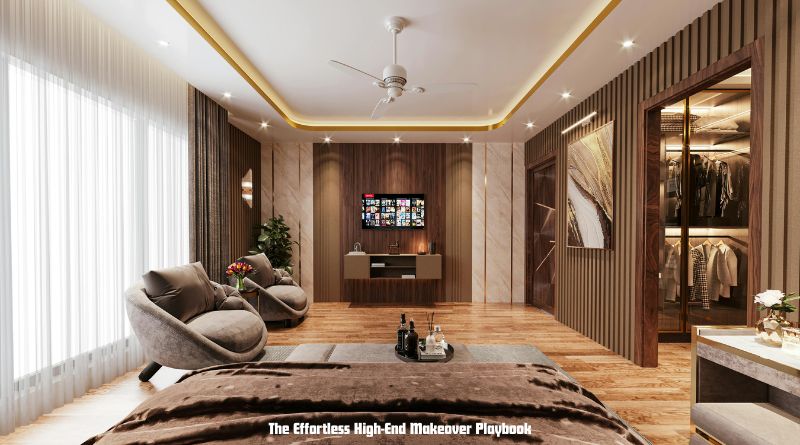
A high-end makeover is not about making everything louder or trendier. It is about making everything feel more intentional. When a space looks expensive, it is usually because the choices feel calm, coordinated, and quietly confident. The materials work together, the proportions feel right, and nothing looks like it was an afterthought. Most importantly, the experience of living in the space becomes easier: smoother mornings, less visual noise, and fewer little annoyances that chip away at comfort. That is the heart of an effortless upgrade, and it becomes even more achievable with a plan that feels like a luxurious makeover guided by design expertise.
The trick is to stop thinking in isolated purchases and start thinking in systems. A single beautiful surface can fall flat if the lighting is harsh, if transitions look patched together, or if the layout fights your daily routine. A “playbook” approach gives you a sequence, so you make the big decisions first and the small decisions later, without scrambling. It also reduces the stress that usually comes from second-guessing, because you are not chasing inspiration mid-project. You are following a clear design story you set at the start.
One of the fastest ways to raise the perceived quality of a home is to get the foundational surfaces right, especially anything underfoot. Floors set the tone in a way most people underestimate: they affect warmth, echo, visual flow, and how every other finish reads beside it. If you want a useful reference point for what a focused flooring resource can look like, you can see an example at the premierhardwood.net website.
Define the Vibe Before You Define the Details
Luxury is a feeling first, and a shopping list second. If you do not name the feeling you are trying to create, you will end up collecting “nice things” that do not add up to a cohesive whole.
Choose three words that guide every decision
Pick three simple adjectives that describe the finished space. Think in emotions and atmosphere, not products. For example: calm, tailored, warm. Or airy, modern, grounded. Once you have these, they become a filter. If a choice does not match, it is out, even if it is beautiful on its own.
Identify where you want drama, and where you want quiet
Effortless high-end spaces rarely compete with themselves. Decide on one statement moment per major area, then keep the rest supportive. That statement could be a sculptural light, a bold stone surface, or a feature wall with texture. Everything else should make that moment look even better.
Design the Flow Like a Story, Not a Floor Plan
A makeover feels truly elevated when the home works better, not just when it looks better. Flow is the hidden luxury that people notice without realizing why.
Map your daily paths
Take a normal day and track your movement. Where do shoes pile up? Where do bags land? Where do you always set down a drink? These small habits tell you what needs a landing zone, what needs better storage, and what needs clearer circulation. A high-end result often comes from solving these friction points with design, not discipline.
Make transitions feel deliberate
When one space meets another, the “seam” is where projects look cheap or custom. Pay attention to thresholds, corners, and the way materials meet. Clean transitions are one of the biggest signals of quality. Even if you are mixing finishes, it should feel planned, not accidental.
Build a Finish Plan That Looks Custom
A cohesive finish plan is what makes a home feel like it was designed as a complete composition. Without it, upgrades can look like separate projects done in different years.
Start with the big surfaces
Prioritize what covers the most visual area: floors, walls, ceilings, major cabinetry or built-ins. These elements form the backdrop. When they are right, smaller styling choices become almost effortless because they have a consistent stage to sit on.
Create a simple finish schedule
This is one of the rare moments where a short list genuinely improves clarity. Keep it to essentials, and treat it like a contract with yourself:
- Flooring tone and sheen level
- Wall color family and finish (matte, eggshell, etc.)
- Trim style and trim color direction
- One primary metal finish, plus one accent finish
- The dominant texture story (smooth, lightly textured, natural grain)
Notice what is missing: random “cute” items. Those come later. This schedule keeps the makeover from drifting.
Use Texture and Proportion to Signal Quiet Luxury
Expensive rooms often avoid obvious flash. They rely on depth, layering, and materials that look better the closer you get.
Let texture do the talking
Texture reads as luxury because it creates complexity without chaos. Think soft plaster walls, subtle grain in wood, brushed finishes, and textiles that feel substantial. Even if your palette is neutral, texture keeps it rich.
Choose scale with confidence
One of the most common “almost but not quite” mistakes is undersizing. Too small a rug, too tiny art, a light fixture that disappears. High-end spaces tend to use fewer pieces, but larger, better-scaled pieces. It reads as intentional and calm.
Lighting That Makes Everything Look More Expensive
Lighting is not a finishing touch. It is a design tool that can make modest materials look elevated, and premium materials look flat if it is done poorly.
Layer the light, then soften it
Relying on a single ceiling light can make even a gorgeous room feel harsh. Layer ambient, task, and accent lighting so the room has dimension. The goal is a gentle glow that makes corners feel finished, not a bright wash that reveals every flaw.
Highlight what you want people to notice
Use light to guide attention. Wash a textured wall, frame a piece of art, or create a subtle glow over a countertop. This is how a room starts to feel curated instead of merely furnished.
Plan the Timeline Like a Production
A calm build process is part of the luxury experience. When a project feels chaotic, people make rushed decisions. Rushed decisions are where regret lives.
Decide early, order early
The items that affect multiple trades should be chosen first. That includes flooring direction, tile layout, trim profiles, and key fixtures. Early decisions protect the schedule, and they also protect the design story from last-minute compromises.
Protect the home as you go
A polished result often depends on how well you protect surfaces during the messy phases. Even if you are not doing a major tear-out, dust and traffic can wreck finishes. Define “clean site” expectations and protect high-impact zones so the final result stays crisp.
The Final Layer That Makes It Feel Finished
The difference between “new” and “high end” is often in the final ten percent. This is where the room stops looking staged and starts looking complete.
Style with restraint
Leave breathing room. A luxury space rarely tries to fill every wall and every corner. Choose a few meaningful pieces, give them space, and let negative space do its job. When in doubt, remove one item before you add another.
Make maintenance part of the plan
The most effortless homes are the ones that stay beautiful with real life happening inside them. Choose finishes you will actually maintain, build in protection where it matters, and set simple habits that keep the space looking sharp. When your design choices align with how you live, the makeover stays elevated long after the “reveal” moment.