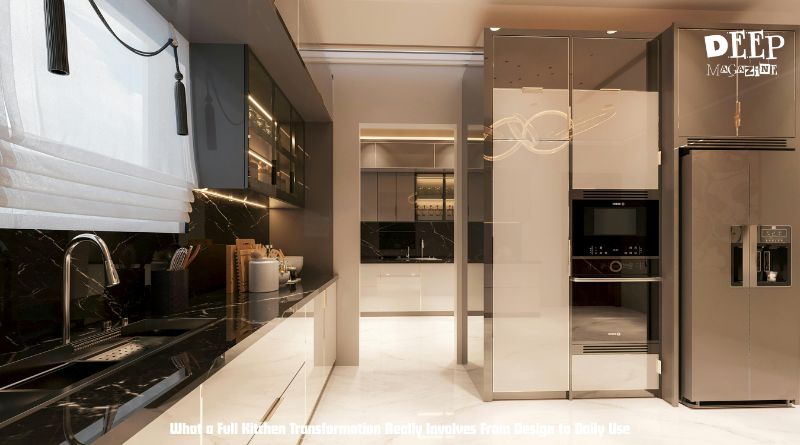
A full kitchen transformation is about far more than replacing cabinets or upgrading appliances. It is a complete rethinking of how one of the most important spaces in a home looks, feels, and functions every single day. From the earliest ideas to the way the space supports real routines years later, a well-executed transformation blends thoughtful design with practical decision-making. When done right, the kitchen becomes easier to use, more enjoyable to spend time in, and better aligned with how people actually live, not just how the room appears in photos. Insights into this kind of process are often shaped by experienced professionals who understand both design and construction, as reflected by Ten Key Home & Kitchen Remodels OKC.
Many homeowners start the process with a general vision but little clarity on what truly needs to change. They may know the kitchen feels dated or inefficient, yet struggle to pinpoint why. This is completely normal. A full transformation brings structure to that uncertainty by breaking the project into clear phases, each building toward a space that works better on every level.
During early research, people often seek reassurance that a full remodel is worth the effort. Reading about other experiences helps set expectations and highlights what a professional process should look like. This is why many turn to third-party perspectives and shared feedback, sometimes browsing resources like reviews of kitchen magic as the initial exploration phase.
The Foundation Is Built Before Anything Is Demolished
Before a single surface is removed, the most important work happens through planning and conversation. This stage focuses on understanding how the kitchen is currently used and how it should perform in the future. A successful transformation starts by identifying daily habits, pain points, and priorities that influence layout and flow.
This step often uncovers hidden issues that are easy to overlook. Limited counter space, inefficient storage, or awkward traffic patterns may have become accepted frustrations over time. Addressing them early ensures the new design solves real problems rather than simply updating appearances. Planning with intention creates a roadmap that guides every decision that follows.
Design Translates Ideas Into Real-World Solutions
The design phase is where vision meets structure. Once goals are clear, layouts, materials, and visual elements come together in a way that balances beauty and usability. This stage transforms abstract ideas into tangible plans that account for proportions, workflow, and durability.
Design decisions go far beyond color choices. They affect how easily drawers open, how light moves through the space, and how comfortably multiple people can use the kitchen at once. Small refinements during this phase can dramatically improve how the space feels long after the project is complete.
Construction Turns Planning Into Progress
When the build phase begins, the transformation becomes physical. This stage requires careful coordination to ensure each step happens in the correct sequence. Structural work, systems updates, and installations must align smoothly to keep the project moving forward.
Clear communication during construction helps maintain confidence while the space is temporarily disrupted. Knowing what to expect reduces stress and reinforces trust in the process. A well-managed build phase turns a complex renovation into a series of predictable milestones rather than unexpected obstacles.
Material Choices Shape Long-Term Satisfaction
Materials selected during a kitchen transformation influence far more than the final look. They determine how the space holds up to daily use, how much maintenance is required, and how the kitchen ages over time. Durable surfaces, quality hardware, and thoughtful finishes contribute to a kitchen that remains functional and appealing.
This is where long-term thinking matters most. Choosing materials based solely on trends can lead to regret if they fail to support real-life demands. A successful transformation balances visual appeal with performance, ensuring the kitchen remains enjoyable long after the novelty wears off.
Everyday Use Reveals the True Success of the Remodel
Once the project is complete and normal routines resume, the true value of a full kitchen transformation becomes clear. The space should feel intuitive, comfortable, and efficient. Storage should reduce clutter, prep areas should support cooking without frustration, and movement through the kitchen should feel natural.
A well-designed kitchen blends seamlessly into daily life. It supports both quiet mornings and busy gatherings without constant adjustments. When the transformation is done right, the kitchen no longer draws attention to its shortcomings. Instead, it quietly enhances everyday experiences.
A Complete Process Leads to Lasting Results
Looking back, many homeowners realize that the success of a kitchen transformation depends less on individual features and more on the process as a whole. Each phase, from planning to daily use, plays a critical role in the outcome. Skipping steps or rushing decisions can compromise the final result.
A full kitchen transformation is ultimately an investment in how a home functions over time. When guided by thoughtful planning, clear communication, and well-informed choices, the result is a space that feels purposeful, comfortable, and built to support real life for years to come.