Overview of the Incident
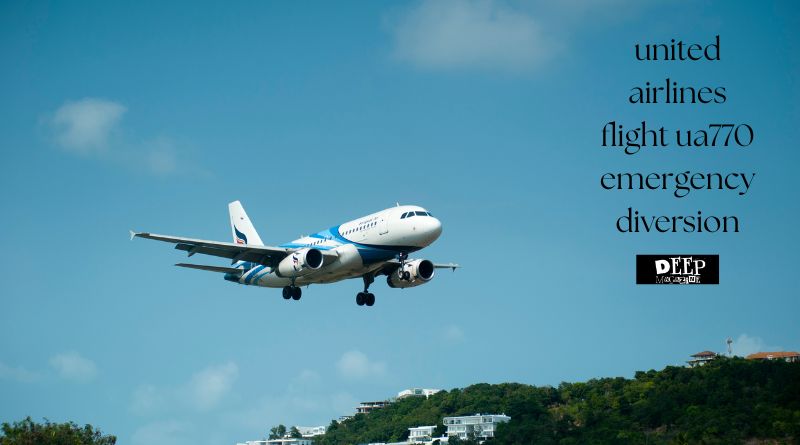
The aviation world pays close attention to safety-related events, and the case of the united airlines flight ua770 emergency diversion has become one such incident that sparked public interest and generated discussions about airline safety, procedures, and passenger experiences. While emergency diversions are not unheard of in commercial aviation, they always raise curiosity among passengers and the general public regarding what caused the situation and how it was handled. In this particular scenario, united airlines flight ua770 emergency diversion highlighted how airlines respond quickly to protect passengers and crew, as well as how modern aircraft systems and well-trained aviation personnel work together during unexpected circumstances. Although diversions often disrupt schedules and create inconveniences, they are important reminders that safety remains the top priority in the aviation industry.
Cause and Circumstances Surrounding the Diversion
In many cases of emergency diversions, the cause can be medical issues, mechanical anomalies, or security concerns. For united airlines flight ua770 emergency diversion, reports indicate that the pilots made a swift decision after identifying an issue that required immediate attention and could not wait until reaching the original destination. The crew onboard followed standard aviation protocols, which meant communicating with air traffic control, assessing available airports for safe landing, and keeping passengers informed throughout the event. For many travelers, such diversions may seem alarming, but pilots and cabin crews are extensively trained for such situations. Airlines like United conduct simulation exercises and regular evaluations to ensure preparedness, and united airlines flight ua770 emergency diversion showcased how these practices translate into real-life action.
Moreover, emergency diversions require coordination between various teams including ground handling staff, airport emergency services, maintenance crews, and airline operational control centers. The successful diversion of united airlines flight ua770 emergency diversion demonstrated effective coordination, which minimized risks and ensured that passengers were transported safely to the ground. Although delays and logistical challenges followed, the priority was the secure and stable landing of the aircraft, reflecting how aviation safety protocols function during critical events.
Passenger Experience and Reactions
Passengers onboard any diverted flight often describe mixed emotions ranging from concern to relief. In the case of united airlines flight ua770 emergency diversion, reports suggest that passengers remained calm as the crew provided regular updates and instructions. Communication plays an essential role during such incidents, as informed passengers are less likely to panic and more likely to cooperate with flight crew. Once the aircraft landed, medical teams or technical personnel—depending on the situation—engaged immediately to address whatever issue led to the diversion. Although passengers frequently experience delays, missed connections, and changes in travel plans, most acknowledge that the airline’s decision prioritized safety over convenience.
People on social media also shared their accounts, expressing relief that the diversion was handled efficiently. Such reactions reflect growing public awareness of the complexities and risks of aviation travel. While modern aircraft are incredibly safe and reliable, events like the united airlines flight ua770 emergency diversion remind passengers that precautionary measures are part of what makes flying one of the safest modes of transportation.
Broader Impact on Aviation Safety Awareness
Events like the united airlines flight ua770 emergency diversion encourage discussions about aviation safety standards and airline procedures. Commercial aviation is heavily regulated, and every emergency diversion becomes part of a learning ecosystem that helps airlines improve future protocols. Stakeholders such as the Federal Aviation Administration (FAA), airline engineering departments, and safety oversight bodies gather insights to refine system checks, update equipment, and enhance training programs. The united airlines flight ua770 emergency diversion exemplified this cycle of continuous improvement and awareness. As passengers continue to travel globally, such cases reinforce trust in aviation safety systems and highlight the immense amount of coordination required to transport millions of people safely every day.
In conclusion, while the united airlines flight ua770 emergency diversion caused temporary inconvenience for passengers, it ultimately demonstrated the strength of aviation safety practices. The swift decision-making, coordinated communication, and structured response emphasize why emergency diversions remain essential tools for safeguarding travelers. Through such events, the aviation industry continues to evolve, ensuring that safety stays at the forefront of global air travel.
read also: Kyle Rittenhouse Net Worth