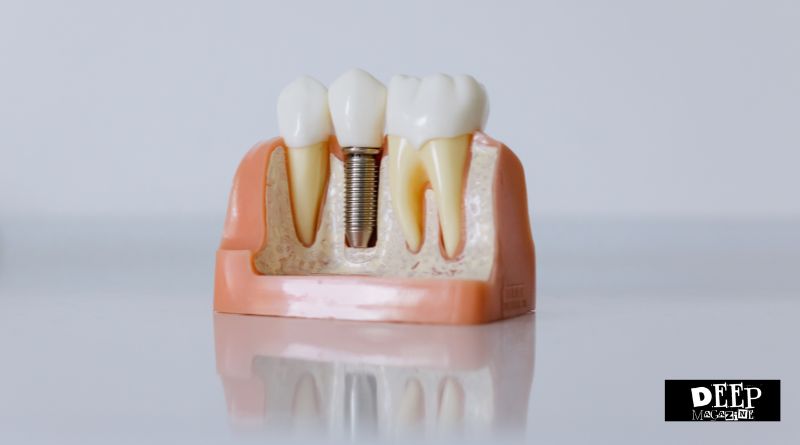
Losing most or all of your teeth can change everything, from the foods you avoid to the way you speak and smile. Many people feel stuck between uncomfortable dentures and a long, complicated rebuild. The good news is that modern full-arch implant solutions can deliver a fixed set of teeth supported by implants, with a stable foundation for long-term chewing comfort that feels far closer to natural teeth than a removable option.
Why All-on-4 Feels Like a Fresh Start
All-on-4 is designed for people who want a full upper arch, full lower arch, or both replaced with teeth that stay put. Instead of placing an implant for every missing tooth, this approach uses four implants to support a full bridge. The result is a streamlined path to a stable, functional smile that can look remarkably natural.
The Big Difference: Fixed vs. Removable
Removable dentures rest on the gums and can shift while talking or eating. A fixed implant bridge is secured to implants anchored in the jaw. That change affects daily life in a very real way.
With a fixed implant bridge, many people notice:
- Less movement and fewer sore spots
- Easier speech, especially with tricky sounds
- More confidence in social settings
- Better bite strength than traditional dentures
The “Four Implants” Concept Explained Simply
The name is straightforward: four implants are placed in strategic positions. The front implants usually go in at a vertical angle, while the back implants are often tilted to increase stability and make use of available bone. That tilt is not a shortcut. It is an engineered choice that can reduce the need for bone grafting in some cases.
How It Supports a Full Arch
A full-arch bridge is designed to distribute chewing forces across the implants. This spread helps the bridge feel secure and helps protect the implants over time when the bite is properly planned.
One Size Does Not Fit Everyone
Some patients may need more than four implants due to bite forces, bone quality, or anatomy. A thorough exam and 3D imaging guide the best plan, not a one-number rule.
The Step-by-Step Process From Consultation to Final Teeth
The journey is more predictable when you know what happens at each stage. You are not just “getting implants.” You are going through a carefully sequenced treatment plan that focuses on safety, function, and aesthetics.
1) Evaluation and Digital Planning
Your clinician typically reviews health history, gum condition, bite alignment, and bone structure. Many offices use CBCT scans for a 3D view of the jaw. This planning phase is where long-term success is built.
2) Preparatory Work, If Needed
If you have failing teeth, infection, or gum disease, those issues must be addressed first. In some cases, extractions happen the same day as implant placement. In other cases, timing is spaced out to support healing.
3) Implant Placement and Temporary Teeth
A temporary bridge may be placed soon after surgery, depending on stability and clinical judgment. This temporary set is not just cosmetic. It helps you get used to speaking and smiling while healing progresses.
4) Healing and Final Restoration
After the implants integrate with the bone, your final bridge is designed and fitted. Materials vary, and the “best” option depends on bite force, aesthetics, and budget. The goal is a result that looks natural and performs reliably.
Who Is a Strong Candidate and Who Needs Extra Planning
Many adults who are missing most teeth, or who have teeth that cannot be saved predictably, can be candidates. That said, some conditions call for extra steps.
Factors That Can Affect Eligibility
This is not a pass or fail checklist. It is more about tailoring the plan.
Common considerations include:
- Uncontrolled diabetes
- Heavy smoking or nicotine use
- Severe teeth grinding
- Advanced bone loss in key areas
- Certain medications affecting bone metabolism
If any of these apply, it does not automatically rule you out. It often means the plan needs tighter coordination and more follow-through.
What Recovery Really Feels Like
It is normal to feel nervous about surgery. Most patients describe the first few days as manageable with proper instructions, prescribed meds when appropriate, and rest. Swelling peaks early, then tapers. Eating is typically soft at first, then gradually progresses as your team clears you for more texture.
Food Timeline: Think “Gentle, Then Gradual”
You will usually start with softer foods and work forward. The idea is to protect healing tissue and avoid overload while the implants stabilize.
Early go-to options often include:
- Eggs, yogurt, smoothies
- Soft fish, well-cooked pasta
- Soups that are not piping hot
- Mashed vegetables and oatmeal
Follow the guidance you are given, even when you feel great. Early overconfidence is one of the easiest ways to create problems.
How to Choose the Right Team
This treatment is part surgery, part prosthetic engineering. You want a provider who can plan the implants around the final teeth, not the other way around. Ask how planning is done, how complications are handled, and who designs the final bridge.
Halfway through your research, you may come across practices with very specific positioning, like Premier Center for Oral, Dental Implant & Facial Surgery based in Groton, MA. The name is not the important part. What matters is the model of care: clear planning, strong surgical standards, and a restorative result that is built for function first, beauty second, and durability always.
Questions Worth Asking at a Consultation
Bring a list, even if you feel awkward. You are making a major health decision.
Consider asking:
- What materials are offered for the final bridge and why?
- How do you plan the bite to reduce implant stress?
- What is the timeline from surgery to final teeth?
- What does maintenance look like long term?
- What happens if an implant fails?
Long-Term Maintenance: The Part People Forget
Fixed teeth still need care. The implants are not “cavity-proof,” but the gums and bone around them still respond to plaque and inflammation. Think of your bridge as high-performance equipment. It rewards consistency.
Daily Habits That Protect Your Investment
You will likely be advised to use specific cleaning tools around the bridge. You may also need professional cleanings on a schedule that matches your risk profile.
Long-term success is strongly tied to:
- Thorough daily cleaning under the bridge
- Routine hygiene visits and exams
- Night guard use if you clench or grind
- Avoiding hard biting habits, ice, pens, and similar
The Confidence Factor: What People Notice Most
Many patients expect the biggest change to be eating. Then they realize the emotional shift is just as big. Smiling without worry, speaking without hesitation, and showing up in photos without strategizing angles can feel surprisingly freeing.
If you have been putting off a full-arch solution because you assumed it would be complicated, painful, or drawn out, it may be worth a professional evaluation. A well-planned All-on-4 case is built around predictability, comfort, and a result that supports everyday life, not just a before-and-after image.
read also: Is Alexis McAdams Married?