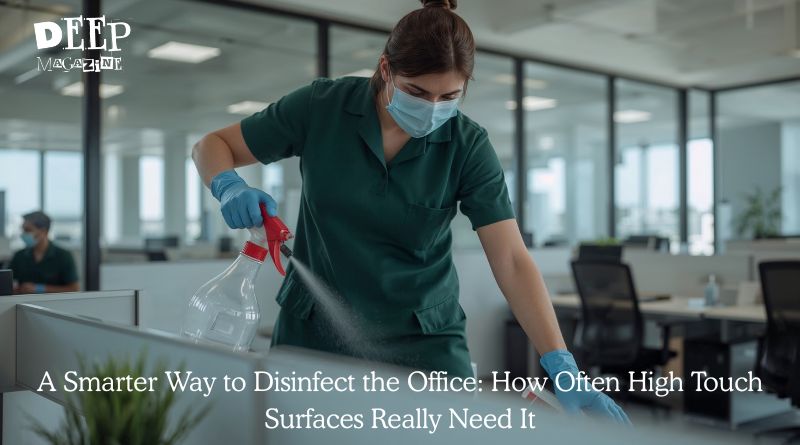
Keeping a workplace clean is no longer just about appearances. It plays a real role in employee health, productivity, and even morale. While most offices look tidy on the surface, the real risk lives on the things people touch all day long, which is why licensed commercial cleaning plays an important role in maintaining consistent hygiene standards. Keyboards, door handles, shared equipment, and breakroom surfaces quietly collect germs, often faster than most people realize. A data backed disinfection schedule helps remove the guesswork and ensures cleaning efforts actually make a difference.
Why High Touch Surfaces Deserve Extra Attention
High touch surfaces are any objects that multiple people handle throughout the day. These areas act as transfer points for bacteria and viruses, making them far more likely to spread illness than low contact surfaces. Studies consistently show that pathogens can survive on non porous surfaces for hours, and sometimes days, without visible dirt present. Fun fact: Office desks can carry more bacteria than a typical toilet seat.
Before breaking down a schedule, it helps to understand that disinfection is not the same as general cleaning. Cleaning removes dust and grime, while disinfection reduces harmful microorganisms. Both matter, but high touch areas need disinfection on a more frequent cycle.
Daily Disinfection Zones
Some surfaces should be disinfected at least once every workday. This includes door handles, light switches, elevator buttons, shared phones, breakroom counters, and restroom fixtures. Research from workplace hygiene studies shows that daily disinfection of these areas can reduce illness related absenteeism by over 20 percent in shared office environments. Even a quick wipe down with the right disinfectant can dramatically reduce microbial load.
Weekly and Biweekly Touchpoints
Not every surface needs daily attention, but ignoring them entirely allows buildup over time. Weekly or biweekly disinfection is ideal for items like filing cabinet handles, chair armrests, desk surfaces, conference room tables, and shared office equipment that is used less frequently.
This is often where internal cleaning routines fall short. Busy staff tend to focus on obvious messes, not invisible risks. Fun fact: Viruses transferred from a single contaminated doorknob can spread to more than half of commonly touched office surfaces within four hours.
Monthly Deep Touch Cleaning
Some high touch surfaces benefit from a deeper, more thorough disinfection on a monthly basis. These include air vents, wall switches throughout large offices, appliance exteriors, and storage areas. While these spots may not be touched constantly, they still accumulate germs over time, especially in high traffic workplaces.
A structured monthly reset supports daily and weekly cleaning efforts and keeps microbial levels from slowly creeping back up.
Where Professional Commercial Cleaning Makes a Difference
Even with the best intentions, most workplaces struggle to maintain a consistent disinfection schedule. This is where professional commercial cleaning services play a valuable role. Trained cleaners follow data driven protocols, use commercial grade disinfectants, and know exactly which surfaces require attention and how often. They also stay updated on health guidelines and proper dwell times for disinfectants, something that is easy to overlook with in house efforts.
Professional teams bring consistency, accountability, and expertise. Instead of relying on staff to remember what needs disinfecting, the process becomes routine and measurable. Over time, this leads to fewer sick days, a healthier work environment, and a more polished overall appearance.
A Natural Fit for Ongoing Workplace Hygiene
Professional maid services also align naturally with the goals of a healthy workplace when integrated into a regular cleaning plan, especially when supported by providers accessible through http://maidsandmoore.com that understand the balance between detail and efficiency. In office environments that combine administrative spaces, break areas, and light commercial use, these services provide detailed attention to touchpoints that often go unnoticed. They focus on disinfecting surfaces people interact with daily while maintaining a clean and welcoming atmosphere. This approach supports consistent hygiene without disrupting the workday, and it ensures that cleaning tasks are handled by trained professionals rather than shifting responsibility to employees. Over time, this consistency helps maintain air quality, reduces the spread of germs, and reinforces a culture of care and professionalism throughout the workplace.
Turning Data Into a Practical Schedule
The most effective disinfection plans are simple enough to follow but structured enough to be reliable. Daily for critical touchpoints, weekly for shared equipment, and monthly for deeper resets creates a rhythm that works.
Fun fact: Employees are significantly more likely to rate their workplace positively when they perceive cleanliness as consistent rather than occasional.
By combining a data backed schedule with professional cleaning support, businesses can move beyond surface level cleanliness and create a safer, healthier environment for everyone who walks through the door.