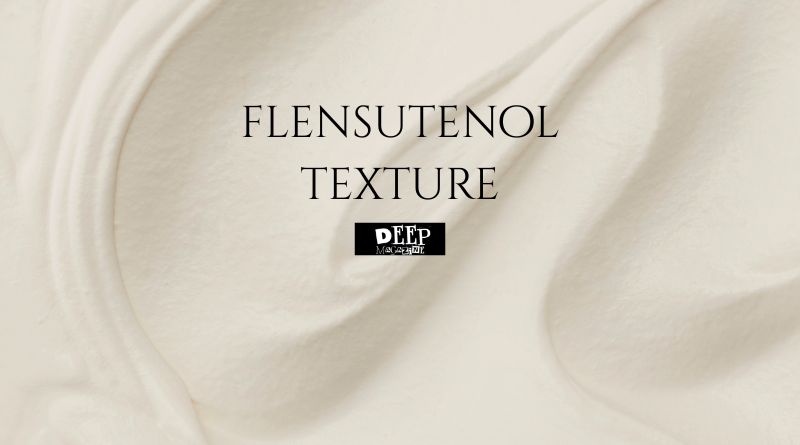
The concept of flensutenol texture has recently gained attention in design, material studies, and digital visualization circles. While the term may sound technical or unfamiliar, it represents a modern approach to understanding how surfaces interact with light, touch, and perception. In simple terms, flensutenol texture refers to a layered, adaptive surface quality that blends softness with structured detailing. It is increasingly discussed in industries such as interior design, digital art, product manufacturing, and even fashion. As innovation continues to reshape creative fields, understanding flensutenol texture can provide insight into how texture influences both functionality and aesthetic appeal.
Understanding the Core of flensutenol texture
What Defines flensutenol texture?
At its core, flensutenol texture is defined by its balanced composition of fine-grain layering and subtle surface variation. Unlike traditional textures that are either completely smooth or heavily rough, this texture exists somewhere in between. It often appears fluid yet structured, creating a visual depth that changes depending on lighting and perspective. Designers describe it as a hybrid surface that adapts to its environment, offering both visual softness and tactile dimension.
One of the most remarkable aspects of flensutenol texture is its dynamic quality. Under natural light, it may appear muted and refined, but under artificial or angled lighting, its layered structure becomes more prominent. This ability to shift in appearance makes it especially popular in contemporary architecture and digital rendering projects. Instead of a flat, one-dimensional finish, it provides depth without overwhelming the overall design.
The Science Behind Surface Layering
From a technical perspective, flensutenol texture relies on micro-layering techniques. These involve carefully arranged surface patterns that are not immediately visible but contribute to the overall effect. The layering may be created through material blending, 3D modeling, or digital shading techniques. The goal is to produce a texture that feels natural yet engineered.
In manufacturing, achieving this effect often involves precision tools and advanced surface treatment processes. In digital environments, artists use rendering software to simulate flensutenol texture by adjusting light diffusion, shadow gradients, and surface mapping. The scientific approach ensures consistency, while the artistic interpretation gives it personality and uniqueness.
Applications of flensutenol texture in Modern Design
Interior and Architectural Use
In interior design, flensutenol texture is valued for its subtle elegance. Walls, furniture surfaces, and decorative panels that incorporate this texture tend to feel warm and inviting without appearing overly polished. Because it reflects light in a soft, diffused way, it enhances ambient lighting rather than competing with it. This makes it ideal for modern living spaces, offices, and boutique environments where atmosphere plays a central role.
Architects also appreciate flensutenol texture for exterior facades and structural accents. Its layered surface can reduce glare while maintaining a sophisticated appearance. In urban design, materials inspired by this texture add depth to buildings without relying on excessive ornamentation.
Digital Media and Product Design
Beyond physical materials, flensutenol texture has found a strong presence in digital media. Graphic designers and 3D artists use it to create backgrounds, product mockups, and immersive visual experiences. Because it adds depth without distracting from the main subject, it works well in branding and advertising visuals.
In product design, this texture is often applied to packaging, electronics casings, and lifestyle products. It enhances grip, improves durability, and adds a premium feel. Consumers are naturally drawn to surfaces that feel both smooth and detailed, and flensutenol texture strikes that balance effectively.
Why flensutenol texture Matters Today
Blending Functionality with Aesthetic Appeal
One of the reasons flensutenol texture continues to gain recognition is its ability to merge beauty with practicality. It is not simply decorative; it often improves surface performance. Whether it enhances grip, diffuses light, or increases durability, it serves a functional purpose while elevating visual appeal. This dual advantage aligns perfectly with modern design principles, where efficiency and elegance must coexist.
The Future of Textured Innovation
As technology advances, the possibilities for flensutenol texture are expanding. Sustainable materials, smart surfaces, and adaptive coatings are all incorporating similar layered concepts. Designers are exploring eco-friendly methods to replicate its distinctive feel while reducing environmental impact. In digital spaces, virtual reality and interactive platforms are also experimenting with texture simulation, allowing users to experience realistic surface depth on screens.
Looking ahead, flensutenol texture may become a standard reference point in discussions about advanced material design. Its flexibility, adaptability, and refined character make it relevant across industries. By combining technical precision with artistic vision, it represents a forward-thinking approach to surface innovation.
In conclusion, flensutenol texture is more than just a design trend; it is a reflection of how modern creativity approaches materials and surfaces. Through its layered composition and adaptable nature, it enhances both visual and tactile experiences. As industries continue to innovate, this unique texture will likely remain a defining element in contemporary design conversations.
read also: Barry Keoghan Height