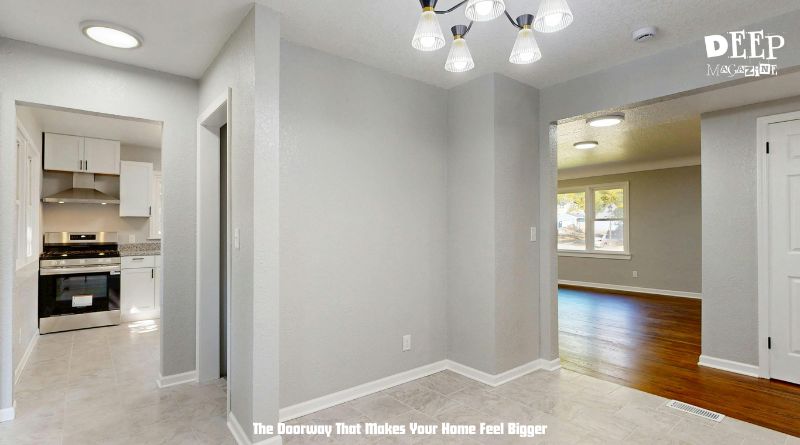
A home can feel cramped for reasons that have nothing to do with square footage. Sometimes it is the way rooms connect, the way light moves, or the way you pause at certain thresholds because the transition feels awkward. If you have ever stood in a room and thought, “Why does this feel smaller than it should,” there is a decent chance the answer is hiding in plain sight: the doorway.
This article breaks down how one well-planned doorway can change how spacious a home feels, even if you do not move a single wall. We will look at sightlines, light, airflow, and the tiny design decisions that turn a basic opening into a feature that makes daily life feel easier and more expansive. If you are already considering broader updates, this same thinking scales beautifully into full home makeovers near the end of the planning process, when details start to matter most.
Before we get into the design details, it helps to see how other homeowners think about screens and open-door living when they are weighing comfort against convenience. If you want a quick pulse check on what people like, dislike, and notice after installation, scan reviews of Phantom Screens Long Island and then come back with a sharper sense of what you want your doorway to do.
Why a Doorway Can Make a Room Feel Larger
Doorways are not just passage points. They are visual cues that tell your brain where space begins, where it ends, and what comes next. A doorway that frames a bright view, aligns with a clean pathway, or opens to a connected area can make a room feel like it has more depth than it really does.
The brain loves a long view
When you can see farther, the room feels longer. That is why a doorway aligned with a hallway, a window, or an open living area can immediately create a sense of “more.” Even a simple shift, like clearing bulky furniture from the line between the doorway and the next focal point, can create a dramatic change in how you perceive the room.
Open does not always mean exposed
A bigger-feeling home is not the same as a home with no separation. The best doorways create connection while still offering control. Think about being able to open up for hosting or fresh air, then quickly return to privacy when you want it. That feeling of control is part of what makes a space feel comfortable and, in turn, more livable.
Design the Threshold Like It Is Its Own Mini Room
A doorway feels intentional when the area around it is treated as a destination, not an afterthought. This is where many “nice doors” fall flat. The door might be beautiful, but the threshold is cluttered, poorly lit, or visually disconnected from the adjacent spaces.
Make the transition feel smooth
If the flooring abruptly changes, the trim styles clash, or the colors fight each other, your eye stops at the doorway instead of flowing through it. A smoother transition helps the doorway behave like an extension of the room. That is what creates the feeling of continuity.
Treat the frame like architecture, not decoration
A doorway can read as bigger when the trim is proportionate and crisp. Overly busy profiles can make the opening feel smaller. Clean, well-scaled trim and a consistent finish often do more for perceived size than ornate details ever will.
Light and Sightlines Are the Real Square Footage Hack
The fastest way to make a room feel larger is to help light travel and give the eye somewhere to go. The doorway can either help or sabotage that.
Borrowed light changes everything
If your doorway connects to a brighter space, consider glazing or a door style that allows light through when closed. Even small panes can help. The goal is not to turn your home into a glass box. The goal is to avoid that “dead end” feeling where a closed door makes a space look dim and small.
Frame something worth looking at
A doorway feels bigger when it frames a pleasing focal point. That might be a cozy seating zone, a plant-filled corner, or an outdoor view. If the doorway frames a laundry pile or a crowded storage shelf, the room can feel instantly tighter. The opening is a picture frame, so choose the picture.
Fresh Air Without the Constant Trade-Offs
One reason doorways have such a big emotional impact is that they control how you interact with the outside. When the weather is mild, an open door can make your whole home feel more alive. The problem is that comfort usually comes with trade-offs: bugs, pets darting out, or the sense that you cannot leave the opening unattended.
A retractable screen is one of those quiet upgrades that can change behavior. People are more likely to actually open the door when the annoying parts are handled. That means more natural airflow, a more relaxed connection between inside and outside, and a home that feels larger because you are using the threshold instead of avoiding it.
Keep the doorway usable, not just pretty
A beautiful door that stays shut most of the year is not doing much for you. A doorway that is easy to open, easy to pass through, and easy to maintain is the one that expands your day-to-day living. The “bigger” feeling comes from use, not from theory.
Materials and Details That Keep the Space Feeling Calm
When a doorway area looks cluttered, the room shrinks. When it looks calm and deliberate, everything around it feels more generous.
Choose finishes near the doorway that can handle real life. That includes scuffs, moisture, and constant touch. If you are always worried about damaging the area, you will subconsciously treat it like a problem zone. That tension shows up in how you live in the space.
Hardware matters too. A smooth handle, a latch that does not stick, and a door that swings or slides without drama can make the entire home feel better designed. It is not flashy, but it is the kind of comfort you notice every day.
Common Mistakes That Make Doorways Shrink a Home
It is surprisingly easy to spend money and still end up with a doorway that feels awkward. Most of the mistakes are not about taste. They are about function and proportion.
Here are a few pitfalls worth avoiding, because they quietly make spaces feel smaller:
- A doorway blocked by furniture or décor that interrupts the path of travel
- Heavy visual contrast at the threshold that stops the eye
- Poor lighting near the opening, especially in the evening
- A door style that fights the way the room is actually used
You do not need perfection. You just need alignment between how the doorway looks and how it works.
A Simple Way to Plan Your Best Doorway Upgrade
A doorway upgrade goes smoothly when you plan it like a system, not a single purchase. Think in terms of experience: what you want to see, how you want to move, and how you want the space to feel across different seasons.
Start by asking yourself three questions. What do you want the doorway to connect to? What do you want it to block? What do you want it to invite in? When you can answer those clearly, the design choices get easier, and the result feels intentional.
If you do that work up front, you are much more likely to end up with the kind of doorway that makes your home feel bigger every day, not just on the day the project is finished.