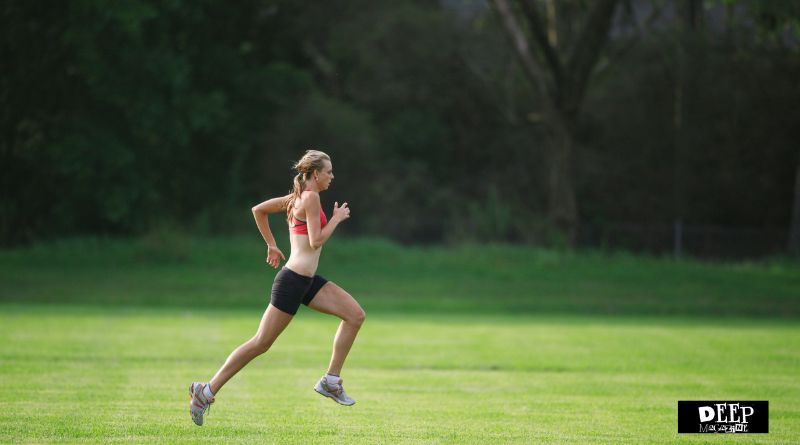
IIf you want to sprint faster, it helps to think beyond running drills to the strength that fuels powerful ground force. The right strength work improves muscular coordination, force production, and resilience, so you can finish strong and stay healthy. Incorporating agility training classes Vacaville CA can further enhance your ability to change direction quickly, improving overall sprinting mechanics and speed.
Build a Foundation With Squat Patterns
Before diving deeper into specific techniques let us examine how squat strength supports sprinting.
Squatting patterns are more than chasing big numbers on a barbell. They train your hips, quads, hamstrings, and core to stabilize and produce power in upright postures similar to sprinting mechanics. When you squat well you build the capacity to transfer force into the ground without wasting energy. This translates into stronger first steps out of the blocks, faster mid-race acceleration, and efficient top end speed. By improving positional integrity at the hips and knees you reduce undue strain on the lower back, which helps keep speed work consistent.
1. Full Squat
Working in a deep position recruits a higher range of motion in the hips and knees that mimics the push phase of sprinting. Go slow and control the descent to force stability and engage the posterior chain.
2. Box Squat
By pausing on a box you reset tension between reps and teach yourself to generate force from a controlled position. This variation emphasizes hip drive out of the bottom, a key source of sprint power.
Hinge Patterns That Enhance Hip Drive
Next let us explore how hinging patterns improve the engine of a fast sprint.
The hinge movement teaches you to unlock the power in your glutes and hamstrings. These muscles are essential during the propulsive phase as they extend the hip and transfer energy into forward motion. Effective hinges also promote a strong posterior chain that reduces injury risk during high speed efforts.
1. Romanian Deadlift
Unlike traditional deadlifts this focuses on the eccentric lengthening of the hamstrings. It builds both strength and awareness of the hip thrust needed during sprinting.
2. Kettlebell Swing
A ballistic exercise that blends strength with speed. The dynamic swing emphasizes rapid hip extension and trains the nervous system to fire the glutes with intent similar to that in sprinting.
Single Leg Strength for Speed Balance and Power
Now let us look at why single leg training makes direct contributions to sprint performance.
Sprinting is essentially a series of alternating single leg efforts. Each step requires strength, balance, and force production from one limb at a time. When one leg is weaker the stronger leg picks up the slack causing muscular imbalances and inefficient mechanics. That is where single leg patterns help. They identify and correct asymmetries so both legs contribute equally to power and speed.
1. Single Leg Squat
This variation forces the working leg to stabilize the hip, knee and ankle while producing power. It improves balance and reduces excess reliance on the opposite side.
2. Bulgarian Split Squat
Similar in intent but with added stability challenge this pattern creates a front leg focus that teaches strong acceleration positions and knee drive.
Why Strength Patterns Translate to Better Sprinting
These movement patterns bring more than muscle size. They enhance neuromuscular coordination so your brain and body talk quicker and more efficiently. Sprinting is a highly technical, explosive skill. Strength that supports force production, stability, and joint resilience means you will spend more time applying power into the track not wasting energy resisting collapse. Over time you develop muscle memory for a powerful stride pattern that translates from the weight room to track performance.
Fun Recovery That Accelerates Progress
There is more to speed than training hard. Recovery is where adaptations happen. One often overlooked modality is therapeutic massage tailored to you according to your specific training load and movement needs, offering a tailored approach that fits your unique biology. A session goes beyond general relaxation to address the unique tensions created by sprint work and strength training. Your therapist uses targeted techniques to release tight hips, soothe overworked hamstrings, and improve tissue quality around the calves and lower back. This level of care enhances circulation, flushes metabolic byproducts, and bridges the gap between tough workouts and your next session, ready to go at full capacity. Athletes often report improved range of motion, reduced soreness, and a sense of preparedness after massage, which supports consistency and long-term performance gains.
Training Tips to Maximize Sprint Gains
Consistency matters more than intensity alone. Pair your strength days with thoughtful sprint sessions and planned recovery. Track progress not by how much weight you lift but how well you perform sprint drills, starting mechanics, and acceleration tests. Rotate days of heavy strength with lighter technical work so your central nervous system stays fresh.
Fun Fact: Strength training can improve sprint performance by enhancing muscle fiber recruitment and coordination without necessarily increasing muscle size. This means getting faster does not always equal becoming bulkier.
How Strength Translates to Speed
Sprint output comes from a system working in harmony. Squat, hinge and single leg patterns build a resilient and powerful body that delivers force effectively into each stride. Add recovery methods that support tissue health and movement quality and you create continuity between training sessions. The sum of well integrated strength work and smart recovery shows up where it matters most speed you can feel and measure. Take time to train smart, listen to your body, and let strength build your fastest self.